
"infant caffeine"
50 article(s) found

The advantages of caffeine in the treatment of apnea outweigh the disadvantages in premature infants.
More than 30 years ago, clinicians found that methylxanthine alkaloids (methylxanthines) can reduce the incidence of apnea in premature infants. Since then, methylxanthine alkaloids have become part of the routine clinical treatment of apnea in premature infants. Because caffeine in these drugs has a long half-life in infants, so in clinical treatment.

Caffeine and low birth weight infants
Women drinking coffee during pregnancy may increase the risk of low birth weight and lead to prolonged pregnancy, according to a team from Sal Grenska University Hospital in Sweden, writing in the latest issue of BMC Medicine.
Coffee drinking and fertility problems
1: Does pregnant women drink coffee have a bad effect on their health? Many physicians and researchers believe coffee drinking has no effect on pregnant women. Consuming 300-400 mg of caffeine per day (about 2-3 cups of brewed coffee) does not affect reproductive health. So ignore what some researchers say about limiting yourself to 200 milligrams (2 cups of coffee) a day.
Control your coffee mug!
Coffee is one of the three famous drinks in the world. Because coffee is closely related to people's daily life, the relationship between coffee and health has always been concerned by scientists. Raw coffee contains 6.5% protein, 11% fat, sugar inorganic salts and multivitamins, as well as alkaloids such as caffeine, which is as high as 1.5%. Pure caffeine is a white crystal with a bitter taste

Common sense that coffee is not suitable for people with heart disease
Coffee is one of the three famous drinks in the world. Because coffee is closely related to people's daily life, the relationship between coffee and health has always been concerned by scientists. Raw coffee contains 6.5% protein, 11% fat, sugar inorganic salts and multivitamins, as well as alkaloids such as caffeine, which is as high as 1.5%. Pure caffeine is a white crystal with a bitter taste
Caffeine intake during breastfeeding may harm babies
Babies do not metabolize or excrete caffeine very well, so caffeine intake by mothers during breastfeeding may lead to caffeine accumulation and symptoms such as wakefulness and irritability.

Coffee health drinking coffee is harmful to cardiovascular system all the year round.
Coffee is delicious and refreshing. It is favored by many office workers, especially young women, but excessive coffee drinking is not necessarily a good thing. A female civil servant in Suzhou in her 20s drank only coffee or carbonated drinks every day and almost never drank plain boiled water in order to lose weight, and was found to have osteoporosis after a physical examination, the news website reported. Heart of Chinese doctors' Association
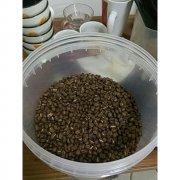
Is it healthier to drink decaf coffee? Pregnant women also need to be careful when drinking decaf coffee!
Professional coffee knowledge exchange more coffee bean information please follow the origin and development of decaf coffee in coffee workshop (Wechat official account cafe_style): why are all Swiss water treatment decaf coffee sold? Are you a coffee person? Doctors warn that drinking decaffeinated coffee will not make you healthier, but may increase the risk of heart disease; pregnant women drink
Coffee study caffeine intake during breastfeeding may harm babies
Babies do not metabolize or excrete caffeine very well, so caffeine intake by mothers during breastfeeding may lead to caffeine accumulation and symptoms such as wakefulness and irritability. The chemical structure of caffeine, pictured by Wikipedia sources. According to the Journal of Caffeine Research published in peer-reviewed
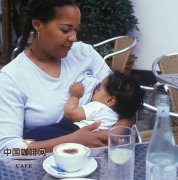
Coffee healthy breastfeeding mothers had better limit their caffeine intake
Babies do not metabolize or excrete caffeine very well, so caffeine intake by mothers during breastfeeding may lead to caffeine accumulation and symptoms such as wakefulness and irritability, according to a study published in the peer-reviewed journal Journal of Caffeine Research. Caffeine exists in various species.

Breast-feeding mothers had better limit their caffeine intake
Babies do not metabolize or excrete caffeine very well, so caffeine intake by mothers during breastfeeding may lead to caffeine accumulation and symptoms such as wakefulness and irritability, according to a study published in the peer-reviewed journal Journal of Caffeine Research. Caffeine exists in various species.

For breastfeeding mothers, it is best to limit caffeine intake
Babies do not metabolize or excrete caffeine very well, so caffeine intake by mothers during breastfeeding may lead to caffeine accumulation and symptoms such as wakefulness and irritability, according to a study published in the peer-reviewed journal Journal of Caffeine Research. Caffeine exists in various species.
Related Pharmacokinetics of Coffee
The phenomenon of death with caffeine is rare. The lethal dose of caffeine for adults is about 5-10g, and adverse reactions can occur when taking 1g, such as central nervous system and circulatory system symptoms. Early symptoms such as insomnia, restlessness and agitation develop into mild coma, vomiting, spasms, muscle tension and tremor, tachycardia and extrasystole (extrasysto1e). In addition,
Caffeine intake during breastfeeding may harm babies
The chemical structure of caffeine, pictured by Wikipedia sources. According to a study published in the peer-reviewed journal Journal of Caffeine Research, babies do not metabolize or excrete caffeine very well, so caffeine intake by mothers during breastfeeding may lead to caffeine accumulation and disorders such as wakefulness and irri
Authoritative report on caffeine (2)
Women's Health Womens Health * * Women have doubts about caffeine food and health * * Research supports moderate caffeine intake, including pregnancy, lactation, menopause and other major medical organizations and experts such as the United States Food and Drug Administration have agreed that moderate caffeine intake is safe for normal people. Women can also use foods that contain caffeine
500 ml of caffeine per day is safe.
When you have a headache, stomachache, dizziness, insomnia, or heart problems, the first thing that probably comes to mind is to stop drinking coffee. Doctors also tell you that caffeine is the cause of these symptoms.
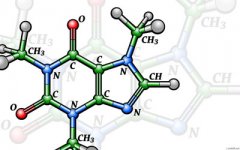
Is caffeine an angel or a devil?
Caffeine (Caffeine) is an alkaloid extracted from tea and coffee fruit. Moderate use of caffeine can dispel fatigue and excitatory nerves. Caffeine is used in clinical treatment of neurasthenia and coma resuscitation. The main source of caffeine in the food industry is coffee beans. Tea, cocoa, cola and Red Bull drinks all contain caffeine. Even women's oral contraceptive contains coffee.

May caffeine intake during breastfeeding harm babies? Mother should not drink coffee during breast-feeding.
The chemical structure of caffeine, pictured by Wikipedia sources. According to a study published in the peer-reviewed journal Journal of Caffeine Research, babies do not metabolize or excrete caffeine very well, so caffeine intake by mothers during breastfeeding may lead to caffeine accumulation and disorders such as wakefulness and irri
How much coffee should I drink every day? Does caffeine affect your health?
Professional coffee knowledge exchange more coffee bean information please pay attention to the coffee workshop (Wechat official account cafe_style) caffeine can affect health? What is caffeine caffeine is a xanthine alkaloid compound, a central nervous system stimulant that temporarily repels drowsiness and restores energy and is used clinically to treat neurasthenia and coma resuscitation. Caffeinated coffee
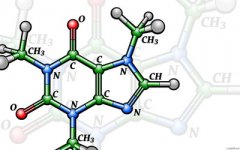
Is caffeine an angel or a devil?
Caffeine (Caffeine) is an alkaloid extracted from tea and coffee fruit. Moderate use of caffeine can dispel fatigue and excitatory nerves. Caffeine is used in clinical treatment of neurasthenia and coma resuscitation. The main source of caffeine in the food industry is coffee beans. Tea, cocoa, cola and Red Bull drinks all contain caffeine. Even women's oral contraceptive contains coffee.